Discuss Scratch

- Discussion Forums
- » Things I'm Making and Creating
- » ✮ ~ Toko's Writing Thread ~ ✮
![[RSS Feed]](//cdn.scratch.mit.edu/scratchr2/static/__d235e7f35585482ca999583499337ccd__//djangobb_forum/img/feed-icon-small.png "[RSS Feed]")
![[RSS Feed]](http://cdn.scratch.mit.edu/scratchr2/static/__d235e7f35585482ca999583499337ccd__//djangobb_forum/img/feed-icon-small.png "[RSS Feed]")
- TokoWrites
-
 Scratcher

100+ posts
✮ ~ Toko's Writing Thread ~ ✮
march 23 - 383 words
The night I was born, the storm arrived first—as if even the sky knew a Chosen One required proper dramatic lighting. Lightning split the heavens, thunder rolled like a prophecy clearing its throat, and somewhere in the distance, a hooded figure whispered, “It begins.”
I, of course, remember none of this. I was too busy being orphaned before the first sentence.
Raised by a wise mentor with a beard that seemed to contain entire winters, I grew up in a quiet village that was anything but ordinary, though I didn’t know it yet. “You are not like the others,” my mentor would say, staring meaningfully into the middle distance. “Also, you must never go into the Forbidden Forest.”
Naturally, I went immediately. That’s where I met them—both of them. The love triangle arrived right on schedule. One was brooding, shadow-eyed, and morally ambiguous. The other was radiant, kind, and suspiciously good at everything. They hated each other instantly, which made things convenient for me. “I can’t choose,” I whispered dramatically to the wind, which responded with a sudden, howling gale. Of course it did.
And then, because timing is everything, my evil twin appeared. Same face. Same voice. Sharper smile. “Hello,” they said, stepping out from behind a conveniently placed tree. “I’m everything you could have been.”
“I don’t even know what I am,” I replied, clutching a mysterious pendant I’d only just discovered I’d been wearing my whole life.
“Exactly.”
Cue the dramatic monologue. Mine, theirs, the mentor’s (who arrived just in time to be cryptic and then immediately die), and even the brooding love interest got one in before the rain intensified into a full cinematic downpour.
“You must fulfill the prophecy,” my mentor rasped with his final breath. “But also… defy it.”
“Which is it?” I shouted.
“Yes,” he said, and then he was gone.
Lightning struck again. The storm swelled. My twin laughed. The love triangle reached peak emotional tension. The pendant began to glow.
“I choose my own destiny,” I declared, as required.
“Predictable,” my twin sneered.
“Predictably chaotic,” I corrected.
And then everything happened at once—betrayal, redemption, a shocking reveal about my parents (royalty, obviously), and a cliffhanger so abrupt it practically demanded a sequel. Because of course there would be a sequel. There’s always a sequel.
The night I was born, the storm arrived first—as if even the sky knew a Chosen One required proper dramatic lighting. Lightning split the heavens, thunder rolled like a prophecy clearing its throat, and somewhere in the distance, a hooded figure whispered, “It begins.”
I, of course, remember none of this. I was too busy being orphaned before the first sentence.
Raised by a wise mentor with a beard that seemed to contain entire winters, I grew up in a quiet village that was anything but ordinary, though I didn’t know it yet. “You are not like the others,” my mentor would say, staring meaningfully into the middle distance. “Also, you must never go into the Forbidden Forest.”
Naturally, I went immediately. That’s where I met them—both of them. The love triangle arrived right on schedule. One was brooding, shadow-eyed, and morally ambiguous. The other was radiant, kind, and suspiciously good at everything. They hated each other instantly, which made things convenient for me. “I can’t choose,” I whispered dramatically to the wind, which responded with a sudden, howling gale. Of course it did.
And then, because timing is everything, my evil twin appeared. Same face. Same voice. Sharper smile. “Hello,” they said, stepping out from behind a conveniently placed tree. “I’m everything you could have been.”
“I don’t even know what I am,” I replied, clutching a mysterious pendant I’d only just discovered I’d been wearing my whole life.
“Exactly.”
Cue the dramatic monologue. Mine, theirs, the mentor’s (who arrived just in time to be cryptic and then immediately die), and even the brooding love interest got one in before the rain intensified into a full cinematic downpour.
“You must fulfill the prophecy,” my mentor rasped with his final breath. “But also… defy it.”
“Which is it?” I shouted.
“Yes,” he said, and then he was gone.
Lightning struck again. The storm swelled. My twin laughed. The love triangle reached peak emotional tension. The pendant began to glow.
“I choose my own destiny,” I declared, as required.
“Predictable,” my twin sneered.
“Predictably chaotic,” I corrected.
And then everything happened at once—betrayal, redemption, a shocking reveal about my parents (royalty, obviously), and a cliffhanger so abrupt it practically demanded a sequel. Because of course there would be a sequel. There’s always a sequel.
- TokoWrites
-
Scratcher
100+ posts
✮ ~ Toko's Writing Thread ~ ✮
march 24 - 491 words
The air presses close, thick with the damp breath of early morning. It clings to skin like a second layer, warm and faintly sticky, carrying with it the mingled scents of earth and something faintly sweet—perhaps crushed fruit left somewhere to soften. Each inhale feels heavier than the last, as though the world itself is leaning in, listening.
Underfoot, the ground shifts between textures. One step lands on something firm and packed, the next sinks slightly, yielding with a quiet give that suggests mud or moss. Small fragments crunch here and there, brittle and dry, snapping sharply before dissolving into softer terrain again. The rhythm of movement becomes a conversation with the unseen surface, a constant negotiation between balance and uncertainty.
Sound travels strangely in this place. It does not echo so much as linger, hovering just long enough to make its origin uncertain. A distant drip repeats at uneven intervals, patient and methodical, while somewhere closer, a faint rustling suggests movement—too deliberate to be wind, too subtle to identify. Occasionally, a low hum threads through everything, steady and almost comforting, like the quiet vibration of something alive but at rest.
The air carries layers of smell that shift with every step. There is the mineral sharpness of stone, cool and clean, followed by a deeper, richer scent—loam, perhaps, or decaying leaves turned soft with time. Beneath it all lies a trace of something metallic, faint but persistent, catching at the back of the throat. It leaves a taste behind, dry and slightly bitter, as if the air itself has weight and flavor.
A brush of contact interrupts the stillness. Something thin grazes along an arm—flexible, almost delicate—before slipping away. Another step forward brings a different sensation: a broader surface, rough and ridged, meeting fingertips when a hand reaches out. It is solid, unmoving, its texture uneven and cool, as though it has not known warmth in a very long time. Tracing along it reveals dips and rises, patterns formed without intention.
The temperature shifts subtly as movement continues. Pockets of cooler air gather in certain places, slipping over skin in quiet currents, while other areas feel close and almost suffocating. These invisible boundaries carve the space into sections, each with its own presence, its own quiet mood.
Breathing grows louder in the absence of anything else familiar, each inhale and exhale marking time. The body becomes acutely aware of itself—the stretch of muscles, the slight tremor of effort, the steady pulse beneath it all. Even the smallest movement feels amplified, as though the world has narrowed to nothing but sensation.
Then, without warning, the sounds change. The distant drip fades, replaced by something broader, more continuous—a soft rush, like liquid moving with purpose. The air cools again, fresher now, carrying with it a cleaner scent that cuts through the heaviness. The ground beneath shifts once more, firmer, steadier.
There is no need to see to understand: something ahead is different.
The air presses close, thick with the damp breath of early morning. It clings to skin like a second layer, warm and faintly sticky, carrying with it the mingled scents of earth and something faintly sweet—perhaps crushed fruit left somewhere to soften. Each inhale feels heavier than the last, as though the world itself is leaning in, listening.
Underfoot, the ground shifts between textures. One step lands on something firm and packed, the next sinks slightly, yielding with a quiet give that suggests mud or moss. Small fragments crunch here and there, brittle and dry, snapping sharply before dissolving into softer terrain again. The rhythm of movement becomes a conversation with the unseen surface, a constant negotiation between balance and uncertainty.
Sound travels strangely in this place. It does not echo so much as linger, hovering just long enough to make its origin uncertain. A distant drip repeats at uneven intervals, patient and methodical, while somewhere closer, a faint rustling suggests movement—too deliberate to be wind, too subtle to identify. Occasionally, a low hum threads through everything, steady and almost comforting, like the quiet vibration of something alive but at rest.
The air carries layers of smell that shift with every step. There is the mineral sharpness of stone, cool and clean, followed by a deeper, richer scent—loam, perhaps, or decaying leaves turned soft with time. Beneath it all lies a trace of something metallic, faint but persistent, catching at the back of the throat. It leaves a taste behind, dry and slightly bitter, as if the air itself has weight and flavor.
A brush of contact interrupts the stillness. Something thin grazes along an arm—flexible, almost delicate—before slipping away. Another step forward brings a different sensation: a broader surface, rough and ridged, meeting fingertips when a hand reaches out. It is solid, unmoving, its texture uneven and cool, as though it has not known warmth in a very long time. Tracing along it reveals dips and rises, patterns formed without intention.
The temperature shifts subtly as movement continues. Pockets of cooler air gather in certain places, slipping over skin in quiet currents, while other areas feel close and almost suffocating. These invisible boundaries carve the space into sections, each with its own presence, its own quiet mood.
Breathing grows louder in the absence of anything else familiar, each inhale and exhale marking time. The body becomes acutely aware of itself—the stretch of muscles, the slight tremor of effort, the steady pulse beneath it all. Even the smallest movement feels amplified, as though the world has narrowed to nothing but sensation.
Then, without warning, the sounds change. The distant drip fades, replaced by something broader, more continuous—a soft rush, like liquid moving with purpose. The air cools again, fresher now, carrying with it a cleaner scent that cuts through the heaviness. The ground beneath shifts once more, firmer, steadier.
There is no need to see to understand: something ahead is different.
- TokoWrites
-
Scratcher
100+ posts
✮ ~ Toko's Writing Thread ~ ✮
critique for rose!
what is working well in my opinion
character depth: eden’s inner thoughts and conflicts are really intriguing. you’ve done a great job showing her emotional detachment, her careful manipulation of relationships, and her wariness around isabella. eden feels complex, like someone who is used to playing a role and constantly thinking about the consequences of her actions. that tension between her job and the human connections she’s being forced to navigate makes her very compelling.
natural dialogue: the dialogue between eden and isabella feels authentic, especially the back-and-forth where eden teases her, and isabella tries to defend her future career. their interactions feel grounded and believable. the dynamic between the characters, particularly eden and isabella, is also a good balance of lightheartedness and tension, which adds layers to their relationship.
world-building: i love the hints of the supernatural, like emotional manipulation through spellcraft and the mention of emotional sorcery. these ideas don't feel fully fleshed out yet, but they’re intriguing enough that i’m curious to see how they’ll be explored further. there’s a nice balance between the mundane college setting and the magical elements, making the world feel rich.
pacing: the pacing feels pretty smooth overall. the transitions between scenes are mostly seamless, and the story has a nice flow, especially with eden’s inner turmoil being gradually revealed.
where you could improve?
clarify eden’s internal conflicts: there’s a lot going on inside eden’s head, which is great, but at times it can feel a bit scattered. her emotional conflict seems to shift from one thing to the next (feeling detached from isabella’s emotions, feeling guilty about her manipulations, etc.). it might help to focus a bit more on one or two central conflicts she’s grappling with in each scene. for example, you could dive deeper into her struggle between doing her job well and actually forming a real connection with isabella, rather than trying to balance a dozen conflicting emotions at once.
character relationships: while we get a sense of eden’s relationship with isabella, it might be helpful to add a bit more detail about why eden is so wary of getting too close to her. the hints of eden’s job and how it affects her relationships are interesting, but it could be even clearer why she doesn’t want to form deeper emotional bonds. is it just because she’s used to being detached, or is there a deeper, more personal reason she avoids closeness? providing a bit more context about eden’s past or her experiences could help readers understand her motivations better?
show, don’t tell: yes, this is a bit cliche, but specifically the line “Eden felt sick for a second” is a bit of an abrupt shift? i think it could help to show that reaction more subtly, through her actions or physical cues (maybe her stomach tightens, or she rubs her eyes as if trying to push the thought away).
flow of information: there are some points where information feels a bit rushed or confusing. for instance, the reveal that eden’s “mark” is emotionally manipulative isn’t fully explained, and i found myself wondering why it mattered that she didn’t want to study emotional sorcery. is it tied to her job, her personal preferences, or something deeper? you could tease out this connection a little more before dropping those pieces of info. also, when you mention lex, it’s not entirely clear what their role is in eden’s life–is lex a mentor, a friend, or someone else? a quick line or two of clarification might help!
more about the world: the world-building could be enriched a bit more in my opinion. you mention things like “chaunticleer,” “watcher,” and a repurposed warehouse, but we don’t know much about these elements yet. are these part of eden’s job, or are they connected to something larger? introducing these concepts a little more gradually or providing small, clear details about them could make the world feel more immersive and less like it’s being introduced all at once!
(666 words)
what is working well in my opinion
character depth: eden’s inner thoughts and conflicts are really intriguing. you’ve done a great job showing her emotional detachment, her careful manipulation of relationships, and her wariness around isabella. eden feels complex, like someone who is used to playing a role and constantly thinking about the consequences of her actions. that tension between her job and the human connections she’s being forced to navigate makes her very compelling.
natural dialogue: the dialogue between eden and isabella feels authentic, especially the back-and-forth where eden teases her, and isabella tries to defend her future career. their interactions feel grounded and believable. the dynamic between the characters, particularly eden and isabella, is also a good balance of lightheartedness and tension, which adds layers to their relationship.
world-building: i love the hints of the supernatural, like emotional manipulation through spellcraft and the mention of emotional sorcery. these ideas don't feel fully fleshed out yet, but they’re intriguing enough that i’m curious to see how they’ll be explored further. there’s a nice balance between the mundane college setting and the magical elements, making the world feel rich.
pacing: the pacing feels pretty smooth overall. the transitions between scenes are mostly seamless, and the story has a nice flow, especially with eden’s inner turmoil being gradually revealed.
where you could improve?
clarify eden’s internal conflicts: there’s a lot going on inside eden’s head, which is great, but at times it can feel a bit scattered. her emotional conflict seems to shift from one thing to the next (feeling detached from isabella’s emotions, feeling guilty about her manipulations, etc.). it might help to focus a bit more on one or two central conflicts she’s grappling with in each scene. for example, you could dive deeper into her struggle between doing her job well and actually forming a real connection with isabella, rather than trying to balance a dozen conflicting emotions at once.
character relationships: while we get a sense of eden’s relationship with isabella, it might be helpful to add a bit more detail about why eden is so wary of getting too close to her. the hints of eden’s job and how it affects her relationships are interesting, but it could be even clearer why she doesn’t want to form deeper emotional bonds. is it just because she’s used to being detached, or is there a deeper, more personal reason she avoids closeness? providing a bit more context about eden’s past or her experiences could help readers understand her motivations better?
show, don’t tell: yes, this is a bit cliche, but specifically the line “Eden felt sick for a second” is a bit of an abrupt shift? i think it could help to show that reaction more subtly, through her actions or physical cues (maybe her stomach tightens, or she rubs her eyes as if trying to push the thought away).
flow of information: there are some points where information feels a bit rushed or confusing. for instance, the reveal that eden’s “mark” is emotionally manipulative isn’t fully explained, and i found myself wondering why it mattered that she didn’t want to study emotional sorcery. is it tied to her job, her personal preferences, or something deeper? you could tease out this connection a little more before dropping those pieces of info. also, when you mention lex, it’s not entirely clear what their role is in eden’s life–is lex a mentor, a friend, or someone else? a quick line or two of clarification might help!
more about the world: the world-building could be enriched a bit more in my opinion. you mention things like “chaunticleer,” “watcher,” and a repurposed warehouse, but we don’t know much about these elements yet. are these part of eden’s job, or are they connected to something larger? introducing these concepts a little more gradually or providing small, clear details about them could make the world feel more immersive and less like it’s being introduced all at once!
(666 words)
- TokoWrites
-
Scratcher
100+ posts
✮ ~ Toko's Writing Thread ~ ✮
weekly 4: 2531 words
part 1: 200 words to start the story (382 words)
The wind off Galway Bay tugged at Koah’s jacket as he stood on the edge of the dock, eyes fixed on the horizon where the sky met the churning water. There was something about the sea—the way it always felt both familiar and foreign—that gnawed at him, like a song whose lyrics he couldn’t quite remember. It was the same feeling that tugged at him when his father asked, for the hundredth time, if he was ready to join the family business. The same feeling when his mother looked at him over breakfast with that quiet worry in her eyes, as though she could see the restlessness that ran through his veins like a current.
Koah glanced down at the boat half-completed in the workshop, the hull still bare, the wooden frame a skeleton waiting to be fleshed out. It was meant to be his masterpiece, a boat to prove to himself that he was more than just a son who inherited the same tools his father used. But even in the silence of the workshop, where the scent of cedar wood and varnish filled the air, the weight of expectations pressed down on him. He’d always felt it. His father’s voice, echoing through his memories—“A man’s word is his bond, Koah. You finish what you start. You don’t leave your work unfinished.”
The pluck of a fiddle string echoed faintly from the house, a sound Koah couldn’t ignore. Music was the only thing that let him breathe in ways his father’s stern voice never could. It was in his blood, a gift from his grandmother who’d always whispered tales of the fae and of hidden magic in the music itself. The old woman said the music was a part of him—a way of connecting with something bigger than himself.
But that wasn’t what his father wanted to hear. The boat was real. The music? A whim. A distraction.
Koah closed his eyes for a moment, letting the wind whip through his hair. Somewhere deep inside, he knew that something was about to change. Whether it would be a choice between his family’s legacy and his own dreams, or something more—he wasn’t sure. But he could feel it in his bones, like the first whisper of a storm on the horizon.
part 2: 400 words where the character receives a new opportunity (439 words)
Koah had barely put the tools down when it happened.
The bell above the workshop door chimed, a sound that usually meant another customer or a neighbor looking to chat about the weather. Koah didn’t immediately look up—his hands were still working the chisel, shaping the delicate curve of the boat’s bow. The faint scent of sawdust and varnish hung in the air, mixing with the brine of the sea. It was a smell he’d come to love, the tangible proof that something was being built, something real.
“Koah, is your father around?” A voice called from the doorway. It was familiar, but not one he heard often.
He glanced over his shoulder, the motion slow, almost reluctant. It was Seán, a man from the docks. Seán’s rough hands and weathered face spoke of a life lived on the water, but it was his reputation that made him stand out. He was known for talking big, offering promises of work that might lead to something more—usually involving ships or trade, something beyond the small harbor town. Something beyond Galway.
“He's not here,” Koah answered, wiping his hands on a rag, his gaze narrowing as Seán stepped into the workshop.
Seán smiled, a gleam in his eye that Koah didn’t quite trust. “Good. I was hoping I’d catch you instead. Got a proposition for you.”
Koah set the chisel down, his pulse quickening slightly. Something about Seán's grin told him this wasn't just a casual offer.
“Go on,” Koah said, leaning against the table, his arms crossed.
“You’ve got talent, kid. Your work with wood—it’s not just craftsmanship. It’s something else. You can feel the grain, the way the boards fit together. It’s in your blood.” Seán paused, gauging Koah's reaction. “I know a man who’s looking for someone to help build a boat—no, not a boat, a ship. Something that could cross the oceans. He needs someone who understands the sea, who has the patience for something this big.”
Koah felt the pulse of his heart beneath his ribcage. This wasn’t the sort of offer he could easily turn down. He swallowed, suddenly aware of how still the workshop had become. “A ship? For who?”
Seán leaned closer, lowering his voice. “It’s not about who, Koah. It’s about where. There’s more than just this little harbor waiting for you. It’s time to leave the shore behind.”
The words hung in the air, like the promise of a storm. The choice was in Koah’s hands now. The offer of a lifetime. But could he really leave? Could he leave the sea, his family, and everything that had always been his?
part 3: 300 words where the character learns something new (334 words)
Koah sat cross-legged on the floor of the workshop, the afternoon sun casting long shadows across the timber. The boat—his boat—was still unfinished, the planks waiting for a touch of something that he couldn’t quite name. But today, his mind wasn’t on the boat. Instead, his fingers traced the edges of an old leather-bound book that had belonged to his grandmother.
Grandmother Brigid had always told him that the sea was full of secrets—monsters, she’d called them, though he had never taken her stories seriously. To him, they were just tales, the kind to be whispered over a fire, not to be believed. But ever since that strange day when the sea had seemed to call him—when he’d felt the wind shift and the waters stir in a way that felt unnatural—he couldn’t shake the sense that there was more to the world than he had ever known.
Flipping the pages, Koah found the passage that caught his attention: The Selkie—guardians of the deep. His grandmother’s notes scribbled in the margins, the words barely legible.
They appear in the form of seals, but beneath the skin, they wear the flesh of men and women. They are the keepers of the ocean’s heart, the ones who protect the souls lost to the waves.
Koah’s fingers lingered on the words. Guardians of the deep. He’d heard of selkies, of course, but always in the form of myth. The thought of them as protectors, as creatures woven into the sea itself, felt heavier. It made him uneasy—almost as if his grandmother had known something about them, something that went beyond old stories.
The next page revealed more. Their magic is not just the ocean’s song, but the power to change the tide itself. Beware those who seek to harm the sea. The selkies will see them drown.
A chill ran down Koah’s spine. He closed the book, heart racing. What had he just uncovered? And, more importantly—had he disturbed something that was never meant to be found?
part 4: 400 words where the character stumbles upon a secret lair (455 words)
The tide had started to pull away from the shore, leaving behind the smell of salt and something else—something faintly metallic in the air, like rust. Koah’s feet crunched over the wet sand, the soles of his boots sticking as he made his way down the coastline. He’d been walking for hours, lost in thought and the rhythmic pounding of the surf. After Seán’s offer, his head had been spinning. A ship, a journey—he didn’t know what to make of it yet, but he knew one thing for certain: something about the sea was changing.
The wind tugged at his hair as he glanced toward the jagged cliffs up ahead, where the rocks jutted out like the bones of some great beast. He’d walked this stretch of coast a thousand times, but today, something felt different. The air was too still, the horizon too muted. He couldn’t shake the feeling that he was being drawn toward something, as if the land itself were calling him.
As Koah approached the base of the cliffs, his boots sinking slightly into the wet sand, he noticed a narrow crevice—barely wide enough to fit a hand through, hidden behind a tangle of seaweed and moss. It wasn’t there before. He was sure of it.
Curiosity gnawed at him. The idea of a hidden entrance, a secret passage—he couldn’t resist. He pulled the seaweed aside, his heart beating a little faster, and reached into the crevice. The stone felt unnaturally warm, as if it had been heated by something beneath it. There was a low hum, barely perceptible, vibrating through the rock. His breath caught in his throat.
Pushing the crevice open just enough to slip through, Koah squeezed into the dark space. Inside, the air was thick and cool, a dampness that sent shivers up his spine. As his eyes adjusted to the dim light, he saw it: the faint outline of a cave, its entrance hidden behind the cliff’s face. The sound of water dripping echoed through the chamber, but what truly caught his attention were the markings on the walls—etched with strange symbols, twisting lines that seemed to shift when he wasn’t looking directly at them.
He stepped deeper into the cave, the rocky floor uneven beneath his feet. The hum grew louder, a deep, resonant thrum that seemed to reverberate in his chest. There was something ancient about this place, something older than any story his grandmother had told him. A low growl sounded in the distance, a sharp, guttural sound that froze him in place.
Before he could move, a shadow flickered in the corner of his vision.
Koah held his breath, trying not to make a sound. He had stumbled upon something. Something alive.
part 5: go outside for thirty minutes
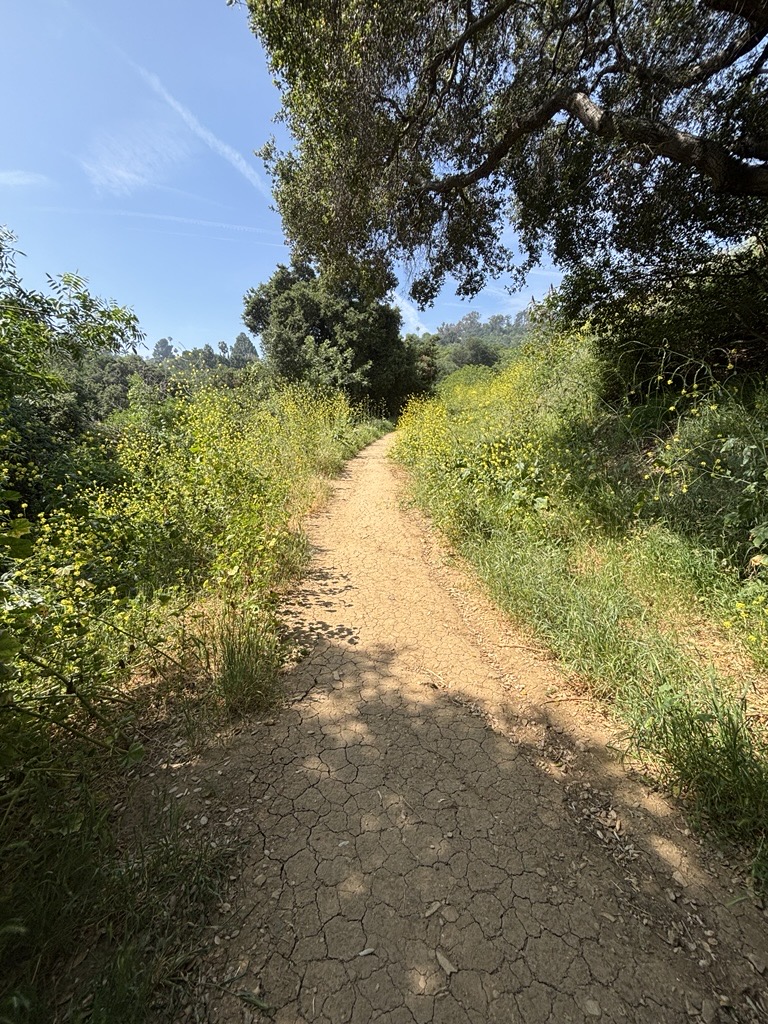
part 6: 500 words where the character negotiates (712 words)
Koah’s breath caught as the creature emerged from the shadows, its enormous form slithering through the black water with unsettling grace. It was huge. The surface of the sea rippled violently, almost as if the waves themselves were alive, bowing to the creature’s will. Its body was covered in sleek, dark scales that shimmered like moonlight on a stormy night, and its tentacles writhed like serpents, curling in slow, deliberate movements. Eyes—deep, glowing, and ancient—stared directly at Koah, two luminescent orbs that seemed to pierce through him, searching, reading every inch of his soul.
The Maelstrom Beast had awakened.
Koah tried not to let the terror rising in his chest show. He wasn’t sure if he was shaking from fear or from the undeniable pull he felt toward the creature. It was like the sea itself was calling to him—no, more than that. It was demanding something from him.
“Approach,” a voice boomed, but it wasn’t through sound. It was a voice he felt in his very bones, inside his mind, as though the creature’s words were whispered directly into the marrow of his spine. The voice held the weight of centuries, of forgotten tides and lost ships.
Koah hesitated, but he knew he had no choice. He was already here, and there was something inside him, something in the sea’s rhythm, that told him this was the moment.
“What do you want?” Koah called out, his voice rough in the air, more breath than sound. The waves crashed around him as if to answer.
The Maelstrom Beast’s tendrils moved toward him, slow and deliberate, dragging the water with them in deep, swirling motions. It spoke again, its voice like the rumble of thunder beneath the waves.
“I have watched you for a time, Koah Cassidy,” it said, each word wrapped in that eerie hum. “You feel the sea’s pull in your veins, don’t you? Your blood is salt. Your soul is tied to the tides. You seek to leave, to go beyond what your kin have known, but you are torn.”
Koah’s heart skipped a beat. How could it know that? How could it know his doubts, his fears, his longing?
“I… don’t understand,” Koah said. His voice cracked. “What do you want from me?”
The creature’s eyes glowed brighter, the light pulsating like the beating of a giant heart, the waves trembling with the intensity. Its voice softened, becoming almost a whisper, though it still felt like a roar deep inside him.
“I offer you a choice,” the creature said. “You seek to leave this place, to chase your dreams. But the sea cannot be ignored. You are tied to it, whether you stay or go. Help me… and I will give you the chance to fulfill your dreams beyond the shores of Galway.”
Koah frowned. “Help you? How?”
A terrible silence stretched across the water before the Maelstrom Beast answered, its voice like the creaking of an ancient ship’s timbers.
“The tides are shifting. Something is coming. I need my freedom, Koah Cassidy. I need to be free of the chains that bind me beneath these waves. Help me, and I will grant you what you desire—a path beyond your town, beyond your father’s expectations, a path to the horizon.”
The air around Koah felt thick with the weight of the beast’s words. He could feel the pull in his chest, like the ocean was pulling at him with invisible ropes. But this was more than just a deal—it felt dangerous. There was no such thing as a free gift from the ocean, and the Maelstrom Beast had the power to ruin everything.
“What’s the catch?” Koah asked, his voice hard now, though his pulse hammered in his throat.
The creature’s tendrils twitched with a strange, almost human amusement. “The catch is that the sea always claims what it is owed. What you give me, I will take. What I give you, you will be bound to.”
Koah’s breath caught in his throat. “What do you mean? Bound to the sea?”
The Maelstrom Beast’s eyes narrowed, its glowing pupils fixed on him with unsettling intensity. “The sea will never let you go. Whether you sail its waves or walk its shores, it will claim you, body and soul. Forever.”
part 7: 200 words to end the adventure (209 words)
Koah stood at the edge of the sea, the Maelstrom Beast’s offer echoing in his mind like the endless crash of waves. He had made his choice, the deal sealed with an unspoken understanding. The creature’s tendrils had vanished into the depths, leaving the air thick with the scent of salt and the hum of something ancient.
For a moment, the sea was still, almost peaceful. Koah felt the weight of the ocean’s promise settle in his chest, a pulse that was both exhilarating and terrifying. The horizon stretched out before him—wide, infinite, and full of possibility.
He had left Galway behind, but the sea had never truly let him go. The Maelstrom Beast had kept its word; the world beyond the docks had unfolded before him like the sails of a ship in the wind. Yet, no matter how far he traveled, Koah knew he would always carry the ocean within him. The tides had claimed him.
And now, it wasn’t just the pull of the waves that called to him—it was the music, too. His fiddle hummed softly beneath his fingertips, the notes carrying with them the promise of new shores, new songs, and a future no longer bound by the past.
The adventure had just begun.
part 1: 200 words to start the story (382 words)
The wind off Galway Bay tugged at Koah’s jacket as he stood on the edge of the dock, eyes fixed on the horizon where the sky met the churning water. There was something about the sea—the way it always felt both familiar and foreign—that gnawed at him, like a song whose lyrics he couldn’t quite remember. It was the same feeling that tugged at him when his father asked, for the hundredth time, if he was ready to join the family business. The same feeling when his mother looked at him over breakfast with that quiet worry in her eyes, as though she could see the restlessness that ran through his veins like a current.
Koah glanced down at the boat half-completed in the workshop, the hull still bare, the wooden frame a skeleton waiting to be fleshed out. It was meant to be his masterpiece, a boat to prove to himself that he was more than just a son who inherited the same tools his father used. But even in the silence of the workshop, where the scent of cedar wood and varnish filled the air, the weight of expectations pressed down on him. He’d always felt it. His father’s voice, echoing through his memories—“A man’s word is his bond, Koah. You finish what you start. You don’t leave your work unfinished.”
The pluck of a fiddle string echoed faintly from the house, a sound Koah couldn’t ignore. Music was the only thing that let him breathe in ways his father’s stern voice never could. It was in his blood, a gift from his grandmother who’d always whispered tales of the fae and of hidden magic in the music itself. The old woman said the music was a part of him—a way of connecting with something bigger than himself.
But that wasn’t what his father wanted to hear. The boat was real. The music? A whim. A distraction.
Koah closed his eyes for a moment, letting the wind whip through his hair. Somewhere deep inside, he knew that something was about to change. Whether it would be a choice between his family’s legacy and his own dreams, or something more—he wasn’t sure. But he could feel it in his bones, like the first whisper of a storm on the horizon.
part 2: 400 words where the character receives a new opportunity (439 words)
Koah had barely put the tools down when it happened.
The bell above the workshop door chimed, a sound that usually meant another customer or a neighbor looking to chat about the weather. Koah didn’t immediately look up—his hands were still working the chisel, shaping the delicate curve of the boat’s bow. The faint scent of sawdust and varnish hung in the air, mixing with the brine of the sea. It was a smell he’d come to love, the tangible proof that something was being built, something real.
“Koah, is your father around?” A voice called from the doorway. It was familiar, but not one he heard often.
He glanced over his shoulder, the motion slow, almost reluctant. It was Seán, a man from the docks. Seán’s rough hands and weathered face spoke of a life lived on the water, but it was his reputation that made him stand out. He was known for talking big, offering promises of work that might lead to something more—usually involving ships or trade, something beyond the small harbor town. Something beyond Galway.
“He's not here,” Koah answered, wiping his hands on a rag, his gaze narrowing as Seán stepped into the workshop.
Seán smiled, a gleam in his eye that Koah didn’t quite trust. “Good. I was hoping I’d catch you instead. Got a proposition for you.”
Koah set the chisel down, his pulse quickening slightly. Something about Seán's grin told him this wasn't just a casual offer.
“Go on,” Koah said, leaning against the table, his arms crossed.
“You’ve got talent, kid. Your work with wood—it’s not just craftsmanship. It’s something else. You can feel the grain, the way the boards fit together. It’s in your blood.” Seán paused, gauging Koah's reaction. “I know a man who’s looking for someone to help build a boat—no, not a boat, a ship. Something that could cross the oceans. He needs someone who understands the sea, who has the patience for something this big.”
Koah felt the pulse of his heart beneath his ribcage. This wasn’t the sort of offer he could easily turn down. He swallowed, suddenly aware of how still the workshop had become. “A ship? For who?”
Seán leaned closer, lowering his voice. “It’s not about who, Koah. It’s about where. There’s more than just this little harbor waiting for you. It’s time to leave the shore behind.”
The words hung in the air, like the promise of a storm. The choice was in Koah’s hands now. The offer of a lifetime. But could he really leave? Could he leave the sea, his family, and everything that had always been his?
part 3: 300 words where the character learns something new (334 words)
Koah sat cross-legged on the floor of the workshop, the afternoon sun casting long shadows across the timber. The boat—his boat—was still unfinished, the planks waiting for a touch of something that he couldn’t quite name. But today, his mind wasn’t on the boat. Instead, his fingers traced the edges of an old leather-bound book that had belonged to his grandmother.
Grandmother Brigid had always told him that the sea was full of secrets—monsters, she’d called them, though he had never taken her stories seriously. To him, they were just tales, the kind to be whispered over a fire, not to be believed. But ever since that strange day when the sea had seemed to call him—when he’d felt the wind shift and the waters stir in a way that felt unnatural—he couldn’t shake the sense that there was more to the world than he had ever known.
Flipping the pages, Koah found the passage that caught his attention: The Selkie—guardians of the deep. His grandmother’s notes scribbled in the margins, the words barely legible.
They appear in the form of seals, but beneath the skin, they wear the flesh of men and women. They are the keepers of the ocean’s heart, the ones who protect the souls lost to the waves.
Koah’s fingers lingered on the words. Guardians of the deep. He’d heard of selkies, of course, but always in the form of myth. The thought of them as protectors, as creatures woven into the sea itself, felt heavier. It made him uneasy—almost as if his grandmother had known something about them, something that went beyond old stories.
The next page revealed more. Their magic is not just the ocean’s song, but the power to change the tide itself. Beware those who seek to harm the sea. The selkies will see them drown.
A chill ran down Koah’s spine. He closed the book, heart racing. What had he just uncovered? And, more importantly—had he disturbed something that was never meant to be found?
part 4: 400 words where the character stumbles upon a secret lair (455 words)
The tide had started to pull away from the shore, leaving behind the smell of salt and something else—something faintly metallic in the air, like rust. Koah’s feet crunched over the wet sand, the soles of his boots sticking as he made his way down the coastline. He’d been walking for hours, lost in thought and the rhythmic pounding of the surf. After Seán’s offer, his head had been spinning. A ship, a journey—he didn’t know what to make of it yet, but he knew one thing for certain: something about the sea was changing.
The wind tugged at his hair as he glanced toward the jagged cliffs up ahead, where the rocks jutted out like the bones of some great beast. He’d walked this stretch of coast a thousand times, but today, something felt different. The air was too still, the horizon too muted. He couldn’t shake the feeling that he was being drawn toward something, as if the land itself were calling him.
As Koah approached the base of the cliffs, his boots sinking slightly into the wet sand, he noticed a narrow crevice—barely wide enough to fit a hand through, hidden behind a tangle of seaweed and moss. It wasn’t there before. He was sure of it.
Curiosity gnawed at him. The idea of a hidden entrance, a secret passage—he couldn’t resist. He pulled the seaweed aside, his heart beating a little faster, and reached into the crevice. The stone felt unnaturally warm, as if it had been heated by something beneath it. There was a low hum, barely perceptible, vibrating through the rock. His breath caught in his throat.
Pushing the crevice open just enough to slip through, Koah squeezed into the dark space. Inside, the air was thick and cool, a dampness that sent shivers up his spine. As his eyes adjusted to the dim light, he saw it: the faint outline of a cave, its entrance hidden behind the cliff’s face. The sound of water dripping echoed through the chamber, but what truly caught his attention were the markings on the walls—etched with strange symbols, twisting lines that seemed to shift when he wasn’t looking directly at them.
He stepped deeper into the cave, the rocky floor uneven beneath his feet. The hum grew louder, a deep, resonant thrum that seemed to reverberate in his chest. There was something ancient about this place, something older than any story his grandmother had told him. A low growl sounded in the distance, a sharp, guttural sound that froze him in place.
Before he could move, a shadow flickered in the corner of his vision.
Koah held his breath, trying not to make a sound. He had stumbled upon something. Something alive.
part 5: go outside for thirty minutes
part 6: 500 words where the character negotiates (712 words)
Koah’s breath caught as the creature emerged from the shadows, its enormous form slithering through the black water with unsettling grace. It was huge. The surface of the sea rippled violently, almost as if the waves themselves were alive, bowing to the creature’s will. Its body was covered in sleek, dark scales that shimmered like moonlight on a stormy night, and its tentacles writhed like serpents, curling in slow, deliberate movements. Eyes—deep, glowing, and ancient—stared directly at Koah, two luminescent orbs that seemed to pierce through him, searching, reading every inch of his soul.
The Maelstrom Beast had awakened.
Koah tried not to let the terror rising in his chest show. He wasn’t sure if he was shaking from fear or from the undeniable pull he felt toward the creature. It was like the sea itself was calling to him—no, more than that. It was demanding something from him.
“Approach,” a voice boomed, but it wasn’t through sound. It was a voice he felt in his very bones, inside his mind, as though the creature’s words were whispered directly into the marrow of his spine. The voice held the weight of centuries, of forgotten tides and lost ships.
Koah hesitated, but he knew he had no choice. He was already here, and there was something inside him, something in the sea’s rhythm, that told him this was the moment.
“What do you want?” Koah called out, his voice rough in the air, more breath than sound. The waves crashed around him as if to answer.
The Maelstrom Beast’s tendrils moved toward him, slow and deliberate, dragging the water with them in deep, swirling motions. It spoke again, its voice like the rumble of thunder beneath the waves.
“I have watched you for a time, Koah Cassidy,” it said, each word wrapped in that eerie hum. “You feel the sea’s pull in your veins, don’t you? Your blood is salt. Your soul is tied to the tides. You seek to leave, to go beyond what your kin have known, but you are torn.”
Koah’s heart skipped a beat. How could it know that? How could it know his doubts, his fears, his longing?
“I… don’t understand,” Koah said. His voice cracked. “What do you want from me?”
The creature’s eyes glowed brighter, the light pulsating like the beating of a giant heart, the waves trembling with the intensity. Its voice softened, becoming almost a whisper, though it still felt like a roar deep inside him.
“I offer you a choice,” the creature said. “You seek to leave this place, to chase your dreams. But the sea cannot be ignored. You are tied to it, whether you stay or go. Help me… and I will give you the chance to fulfill your dreams beyond the shores of Galway.”
Koah frowned. “Help you? How?”
A terrible silence stretched across the water before the Maelstrom Beast answered, its voice like the creaking of an ancient ship’s timbers.
“The tides are shifting. Something is coming. I need my freedom, Koah Cassidy. I need to be free of the chains that bind me beneath these waves. Help me, and I will grant you what you desire—a path beyond your town, beyond your father’s expectations, a path to the horizon.”
The air around Koah felt thick with the weight of the beast’s words. He could feel the pull in his chest, like the ocean was pulling at him with invisible ropes. But this was more than just a deal—it felt dangerous. There was no such thing as a free gift from the ocean, and the Maelstrom Beast had the power to ruin everything.
“What’s the catch?” Koah asked, his voice hard now, though his pulse hammered in his throat.
The creature’s tendrils twitched with a strange, almost human amusement. “The catch is that the sea always claims what it is owed. What you give me, I will take. What I give you, you will be bound to.”
Koah’s breath caught in his throat. “What do you mean? Bound to the sea?”
The Maelstrom Beast’s eyes narrowed, its glowing pupils fixed on him with unsettling intensity. “The sea will never let you go. Whether you sail its waves or walk its shores, it will claim you, body and soul. Forever.”
part 7: 200 words to end the adventure (209 words)
Koah stood at the edge of the sea, the Maelstrom Beast’s offer echoing in his mind like the endless crash of waves. He had made his choice, the deal sealed with an unspoken understanding. The creature’s tendrils had vanished into the depths, leaving the air thick with the scent of salt and the hum of something ancient.
For a moment, the sea was still, almost peaceful. Koah felt the weight of the ocean’s promise settle in his chest, a pulse that was both exhilarating and terrifying. The horizon stretched out before him—wide, infinite, and full of possibility.
He had left Galway behind, but the sea had never truly let him go. The Maelstrom Beast had kept its word; the world beyond the docks had unfolded before him like the sails of a ship in the wind. Yet, no matter how far he traveled, Koah knew he would always carry the ocean within him. The tides had claimed him.
And now, it wasn’t just the pull of the waves that called to him—it was the music, too. His fiddle hummed softly beneath his fingertips, the notes carrying with them the promise of new shores, new songs, and a future no longer bound by the past.
The adventure had just begun.
- TokoWrites
-
Scratcher
100+ posts
✮ ~ Toko's Writing Thread ~ ✮
“What do you mean you have no idea what you're doing? You were supposed to be the leader!”
The words hit harder than the alarms blaring overhead. I open my mouth, then close it again, tasting metal and panic. Leader. The title had sounded solid when they gave it to me—like armor. Now it feels more like a costume two sizes too big.
“I—I had a plan,” I manage, glancing at the flickering map that no longer makes sense. Corridors are blocked, exits gone dark. Nothing matches the briefing.
“Had?” someone snaps. “That’s not good enough.”
They’re right. It isn’t. Leadership wasn’t supposed to look like this—sweaty hands, second-guessing every decision, hoping confidence alone might keep everyone moving. I thought if I acted certain, I would become certain.
But certainty never came.
I take a breath, forcing my voice steady. “No. I don’t know exactly what I’m doing,” I admit. A few faces fall. Others sharpen.
“But I know we don’t stand here and wait.”
Silence.
Then, quieter: “So we figure it out. Together.”
For the first time, no one argues.
The words hit harder than the alarms blaring overhead. I open my mouth, then close it again, tasting metal and panic. Leader. The title had sounded solid when they gave it to me—like armor. Now it feels more like a costume two sizes too big.
“I—I had a plan,” I manage, glancing at the flickering map that no longer makes sense. Corridors are blocked, exits gone dark. Nothing matches the briefing.
“Had?” someone snaps. “That’s not good enough.”
They’re right. It isn’t. Leadership wasn’t supposed to look like this—sweaty hands, second-guessing every decision, hoping confidence alone might keep everyone moving. I thought if I acted certain, I would become certain.
But certainty never came.
I take a breath, forcing my voice steady. “No. I don’t know exactly what I’m doing,” I admit. A few faces fall. Others sharpen.
“But I know we don’t stand here and wait.”
Silence.
Then, quieter: “So we figure it out. Together.”
For the first time, no one argues.
- TokoWrites
-
Scratcher
100+ posts
✮ ~ Toko's Writing Thread ~ ✮
weekly 1 - 2413 words
part 1 - 353 words
Oliver and Francis crouched by the creek, pebbles tumbling through their fingers. The water sparkled, teasing them with its restless shimmer.
“You think the frogs ever get bored of jumping?” Francis asked, tilting his head.
“Probably,” Oliver said. “But they keep jumping anyway.” He tossed a pebble into the current, watching it spin before sinking.
They sat in companionable silence for a while, each stone making a tiny splash, each ripple fading into the next.
“I tried drawing the oak tree yesterday,” Francis said. “But the wind blew the paper away.”
Oliver chuckled. “Did you chase it?”
“I did!” Francis laughed, “and I realized… trees move more than I thought. Or maybe I’m too slow.”
A gust of wind tugged at Oliver’s scarf, and he wrapped it tighter. “Change is funny, isn’t it?”
“Funny… or tricky,” Francis said. “Like, we’re trying to hold onto things, but they keep slipping. Maybe that’s just how it works.”
Oliver squinted at a family of ducks waddling along the bank. “Even them,” he said, “they’re not really in one place for long. They just keep moving.”
Francis grinned. “So what, we’re like ducks?”
“Maybe,” Oliver said, tossing another pebble that skipped twice before sinking. “Or frogs. Or pebbles. Or scarves. Whatever keeps moving.”
Francis crouched, pressing a wet finger into the sand, then watching as the current erased his doodle in seconds. “I like that,” he said softly. “It’s like we get to try things over and over, even if we fail.”
Oliver tossed a tiny stick into the water, making it spin. “Exactly. Life’s like this creek—never the same twice. And maybe the point isn’t holding on, but noticing it all while it moves.”
Francis nodded, squinting at the ripples. “Like frogs. Like ducks. Like scarves.”
“Like us,” Oliver said, grinning.
They laughed at the stones that refused to sink straight, at the wind that teased them, and at themselves—two friends learning how to move along with life, together. And as the creek whispered and twirled around them, it was impossible not to feel that maybe slipping, spinning, and bouncing was just part of the fun.
part 2 - 385 words
Oliver crouched at the creek’s edge, holding a flat, gray pebble between his fingers. He turned it over, watching the sunlight glint off its smooth surface.
“Careful,” Francis said, peering over. “That one looks… tricky.”
Oliver grinned. “Tricky pebbles are the best kind.” He tossed it gently into the water. The pebble skipped twice, spun in a circle, and sank.
Francis picked up a bright white pebble, smaller than his palm. He rolled it between his fingers, feeling its uneven edges. “I’m going to try one too,” he said. He flung it, and it skipped once before disappearing under the current.
The two friends crouched in silence, watching the ripples spread. Each pebble left a trail, subtle but real, moving outward even after it vanished.
Oliver found another stone, a tiny black one that fit perfectly in his hand. He dropped it carefully, but it caught the edge of a root and rolled back toward him. He laughed. “It’s alive,” he said.
Francis laughed too. “Maybe all pebbles are alive, and we just don’t notice.” He selected a smooth, speckled one and tossed it with extra force. It hit a small wave, spun three times, and finally sank. “Look at it go!”
Hours passed, but they didn’t stop. Some pebbles skipped far, some disappeared immediately, some twirled in unexpected directions. Oliver collected a few that had washed back to the shore, inspecting their scratches and grooves. Francis arranged his in a little line, careful to space them evenly, then nudged one so it rolled into the water.
Every pebble had a story. Some were stubborn, some playful, some stubbornly playful. Oliver noticed patterns—how certain shapes skipped farther, how smooth ones twirled. Francis noticed how the sunlight made some stones sparkle like stars, and how the ripples changed depending on the toss.
Finally, Francis held a pebble quietly in his palm, watching the water. “They’re kind of like us, aren’t they?” he said softly. “Trying things, spinning, sometimes sinking, but always leaving a mark.”
Oliver nodded, tossing one last pebble. It twirled once, hit a small wave, and disappeared. He smiled. “Yeah. Like us.”
They left the creek with pockets full of pebbles, each one a little story, a little adventure, a little reminder that even the smallest things could carry meaning if you paid attention.
part 3 - 727 words
The pond was quiet, except for the occasional plop of a frog jumping from a lily pad. Oliver and Francis slung their backpacks onto the grass and ran to the water’s edge, where smooth pebbles lay scattered like hidden treasure.
“Bet I can skip one farther than you,” Oliver said, grabbing a flat stone that gleamed gray in the sunlight.
Francis raised an eyebrow. “You wish. That one’s mine,” he said, picking a speckled pebble. “No cheating!”
Oliver smirked and tossed a small rock into the pond. It skipped once, then twice, then plopped into the water with a tiny splash. Francis’s eyes widened. “Okay, maybe that one did skip far…”
“Maybe,” Oliver said, grinning, “but now I get to do the big one.” He picked up a heavier, jagged pebble, testing its weight. “Watch this!”
He hurled it as hard as he could. It hit the water with a loud splash, spraying droplets onto their legs, then spun sideways, ricocheted off a lily pad, and sank.
Francis laughed, shaking his wet socks. “Not fair! You aimed for chaos!”
Oliver laughed back. “Chaos is part of the fun!”
They crouched, picking up more pebbles. Some were smooth, some rough, some had little flecks of white. Every stone seemed to have a personality. Francis rolled one between his fingers. “Do you think… the pebbles remember us?”
Oliver tilted his head. “Maybe. Maybe they get a little thrill when we throw them. Like, ‘Finally! Adventure!’”
Francis laughed. “Yeah, ‘Here comes Francis!’” He tossed his pebble, and it skipped twice before sinking. “See? Adventure!”
They lapsed into a comfortable silence, watching the pond’s surface ripple. Tiny fish darted near the rocks, creating concentric waves that tangled with the ones from their throws. A dragonfly buzzed past, brushing Oliver’s hair, and he shivered. “Hey! Don’t eat me!”
Francis snorted. “It’s on your head now. I’d watch out if I were you.”
Oliver swatted at the insect, then picked another pebble. “You know, sometimes I think throwing pebbles is like… dealing with stuff. You aim, you try, you hope it goes somewhere good, but you never really know where it lands.”
Francis considered that, twirling a flat pebble in his fingers. “Yeah… like choices. Or mistakes. Or… surprises.”
Oliver nodded. “Exactly. And it’s better if someone’s there to watch it fly, or laugh when it splashes funny.”
Francis leaned back on his elbows, gazing at the water. “I like watching the ripples. They go so far… farther than you think. And then they fade, but you know they happened.”
Oliver picked a small, round pebble and tossed it gently. It skipped across the water, bouncing three times before sinking near a clump of reeds. “It’s like the little stuff matters too,” he said.
Francis grabbed a pebble and threw it with more force than he meant to. It splashed loudly, soaking a nearby turtle sunning itself on a log. The turtle didn’t move, but Francis squealed. “Sorry! Sorry, Mr. Turtle!”
Oliver laughed until he nearly fell backward into the water. “He’ll forgive you… eventually!”
They spent the rest of the afternoon tossing stones, some careful, some reckless. They made up silly games: Who could land closest to the lily pads? Who could make the biggest splash? Who could skip three stones in a row without missing? Each throw, each laugh, each splash felt like a small story added to the pond.
Finally, Francis sat back, holding a smooth, gray pebble in his hand. “I think… it’s not about where it lands. It’s about throwing it, seeing it fly, and laughing if it spins the wrong way.”
Oliver nodded, tossing a tiny pebble that bounced twice and landed in a swirl of ripples. “Yeah… and having someone to share it with makes it way better.”
The pond reflected the setting sun, and the ripples stretched out, carrying the tiny adventures of their day. They didn’t know where each stone had gone, or where it would end up, but it didn’t matter. The throwing, the splashes, and the laughter were enough.
And as they finally slung their backpacks over their shoulders and headed home, pockets full of pebbles, both Oliver and Francis felt lighter, warmer, and just a little braver. Because even if they didn’t know exactly where things would land, the act of tossing, and sharing, made everything feel more like an adventure.
part 4 - 948 words
The sun was warm on their backs, and the creek gurgled as if it had its own secrets to share. Oliver and Francis crouched at the edge, fingers brushing the water as they picked up pebbles. Each one was different—gray, white, speckled, smooth, jagged—like tiny pieces of some hidden puzzle the creek was holding just for them.
“Do you ever think the pebbles care where they land?” Francis asked, rolling a bright white stone between his fingers.
Oliver grinned. “Maybe not. But it’s fun to see them try.” He held a flat, gray pebble, turning it over in the sunlight. “Every toss is a choice. We don’t always know where it’ll go, but we get to decide to throw it.”
Francis studied the water. A stick drifted past, snagged briefly on a rock, then continued down the current. “Like… decisions? Or mistakes? Or chances we take?”
“Exactly,” Oliver said, tossing his pebble. It skipped twice, spun in a circle, and disappeared beneath the rippling surface. The concentric rings shimmered in the sunlight, stretching farther than either of them could see.
They laughed as a pebble Oliver tried to throw straight instead curled sideways and landed with a tiny splash on Francis’s foot. “Hey!” Francis shouted, shaking his sock dry, then laughed. “It’s like it had a mind of its own.”
“That’s life!” Oliver said, eyes sparkling. “We can plan, aim, hope—but sometimes things just spin in their own direction.”
Francis picked up another stone, flat and speckled, and tested the weight in his hand. “I guess it’s not so bad if it doesn’t go where we want. Maybe it finds its own place instead.” He tossed it gently; it skipped once, then twirled in a small eddy before sinking.
“See?” Oliver cheered. “Even if it wasn’t the place we imagined.”
They spent hours tossing stones, naming the jumps, and imagining what each ripple might touch downstream. Some skipped straight, some spun endlessly, and some sank immediately. Oliver experimented with curved throws, trying to make a pebble spin in midair, while Francis tried light, flat stones that could skip farther than they should. They made up silly competitions, like who could make the pebble hop three times before sinking, or whose pebble could spin the longest. Each splash, each ripple, was a tiny victory.
“Do you think the creek notices?” Francis asked after one particularly long skip. “All our pebbles, all our tricks?”
Oliver laughed. “Maybe it does. Or maybe it just likes the company.” He tossed another pebble, watching it land just where he didn’t expect, and grinned. “Either way, it’s more fun with someone else.”
As the sun dipped lower, casting golden stripes across the water, they found a quiet moment. Francis held a small, gray pebble quietly in his palm, feeling the smooth surface. “I think… maybe it’s not about controlling where it lands. It’s about throwing it at all,” he said softly.
Oliver nodded, picking a final stone. “And having someone there to see it fly.” He flung the pebble, watching it spin twice before vanishing into the creek. The ripples stretched far beyond where he could see, carrying tiny stories of choices, laughter, and shared moments.
They wandered along the bank, collecting a few more pebbles as the shadows grew long. Dragonflies skimmed across the surface, and the occasional leaf drifted by. Francis skipped a stone too far and watched it disappear with a splash. “Oops,” he said, grinning.
“Perfect,” Oliver said. “That one’s gone exploring.”
They found a little patch of moss-covered rocks and sat, tossing stones softly into the water, letting each skip, twirl, and sink in its own way. The creek was no longer just a stream of water; it felt like a gallery of tiny adventures, each pebble carrying a story, each ripple connecting them to the next.
“Do you ever get scared?” Francis asked, eyes following the sun dipping behind the trees. “Of… I don’t know, the things that don’t go right?”
Oliver thought for a moment, tossing a small pebble that barely skipped. “Yeah,” he admitted. “Sometimes. But… I think that’s why it’s better to throw them together. You laugh when one spins funny. You celebrate the surprises. And even when something sinks, it’s still part of the story.”
Francis smiled. “I like that. Even mistakes are fun if you share them.”
They stayed until the creek was dappled in pink and gold, their pockets filled with pebbles they’d collected, each one a little story. They didn’t need to know exactly where each stone would end up, just that they had thrown it, watched it, and laughed together.
Finally, Oliver held up a flat, gray pebble. “One last toss?”
Francis nodded. They leaned over the water together, let the stone slip from their fingers, and watched it spin, skip, and sink. The ripples stretched farther than they could see, shimmering in the last light of day.
“See?” Oliver said quietly. “Even if it didn’t land where we imagined… it’s still beautiful.”
Francis nodded. “Yeah… it’s the throwing that matters. And the seeing.”
They stood, brushing creek mud from their hands, and began the slow walk home. Behind them, the creek gurgled and whispered as if it remembered every toss, every laugh, every tiny adventure. The pebbles they left behind weren’t lost—they were stories, waiting for the next ripple to carry them somewhere new.
And as they walked, side by side, Oliver and Francis knew something simple and true: life was like the creek, unpredictable and spinning in ways you couldn’t always control. But with a friend by your side, it was infinitely more fun to toss a few stones, make a few ripples, and see where they go.
part 1 - 353 words
Oliver and Francis crouched by the creek, pebbles tumbling through their fingers. The water sparkled, teasing them with its restless shimmer.
“You think the frogs ever get bored of jumping?” Francis asked, tilting his head.
“Probably,” Oliver said. “But they keep jumping anyway.” He tossed a pebble into the current, watching it spin before sinking.
They sat in companionable silence for a while, each stone making a tiny splash, each ripple fading into the next.
“I tried drawing the oak tree yesterday,” Francis said. “But the wind blew the paper away.”
Oliver chuckled. “Did you chase it?”
“I did!” Francis laughed, “and I realized… trees move more than I thought. Or maybe I’m too slow.”
A gust of wind tugged at Oliver’s scarf, and he wrapped it tighter. “Change is funny, isn’t it?”
“Funny… or tricky,” Francis said. “Like, we’re trying to hold onto things, but they keep slipping. Maybe that’s just how it works.”
Oliver squinted at a family of ducks waddling along the bank. “Even them,” he said, “they’re not really in one place for long. They just keep moving.”
Francis grinned. “So what, we’re like ducks?”
“Maybe,” Oliver said, tossing another pebble that skipped twice before sinking. “Or frogs. Or pebbles. Or scarves. Whatever keeps moving.”
Francis crouched, pressing a wet finger into the sand, then watching as the current erased his doodle in seconds. “I like that,” he said softly. “It’s like we get to try things over and over, even if we fail.”
Oliver tossed a tiny stick into the water, making it spin. “Exactly. Life’s like this creek—never the same twice. And maybe the point isn’t holding on, but noticing it all while it moves.”
Francis nodded, squinting at the ripples. “Like frogs. Like ducks. Like scarves.”
“Like us,” Oliver said, grinning.
They laughed at the stones that refused to sink straight, at the wind that teased them, and at themselves—two friends learning how to move along with life, together. And as the creek whispered and twirled around them, it was impossible not to feel that maybe slipping, spinning, and bouncing was just part of the fun.
part 2 - 385 words
Oliver crouched at the creek’s edge, holding a flat, gray pebble between his fingers. He turned it over, watching the sunlight glint off its smooth surface.
“Careful,” Francis said, peering over. “That one looks… tricky.”
Oliver grinned. “Tricky pebbles are the best kind.” He tossed it gently into the water. The pebble skipped twice, spun in a circle, and sank.
Francis picked up a bright white pebble, smaller than his palm. He rolled it between his fingers, feeling its uneven edges. “I’m going to try one too,” he said. He flung it, and it skipped once before disappearing under the current.
The two friends crouched in silence, watching the ripples spread. Each pebble left a trail, subtle but real, moving outward even after it vanished.
Oliver found another stone, a tiny black one that fit perfectly in his hand. He dropped it carefully, but it caught the edge of a root and rolled back toward him. He laughed. “It’s alive,” he said.
Francis laughed too. “Maybe all pebbles are alive, and we just don’t notice.” He selected a smooth, speckled one and tossed it with extra force. It hit a small wave, spun three times, and finally sank. “Look at it go!”
Hours passed, but they didn’t stop. Some pebbles skipped far, some disappeared immediately, some twirled in unexpected directions. Oliver collected a few that had washed back to the shore, inspecting their scratches and grooves. Francis arranged his in a little line, careful to space them evenly, then nudged one so it rolled into the water.
Every pebble had a story. Some were stubborn, some playful, some stubbornly playful. Oliver noticed patterns—how certain shapes skipped farther, how smooth ones twirled. Francis noticed how the sunlight made some stones sparkle like stars, and how the ripples changed depending on the toss.
Finally, Francis held a pebble quietly in his palm, watching the water. “They’re kind of like us, aren’t they?” he said softly. “Trying things, spinning, sometimes sinking, but always leaving a mark.”
Oliver nodded, tossing one last pebble. It twirled once, hit a small wave, and disappeared. He smiled. “Yeah. Like us.”
They left the creek with pockets full of pebbles, each one a little story, a little adventure, a little reminder that even the smallest things could carry meaning if you paid attention.
part 3 - 727 words
The pond was quiet, except for the occasional plop of a frog jumping from a lily pad. Oliver and Francis slung their backpacks onto the grass and ran to the water’s edge, where smooth pebbles lay scattered like hidden treasure.
“Bet I can skip one farther than you,” Oliver said, grabbing a flat stone that gleamed gray in the sunlight.
Francis raised an eyebrow. “You wish. That one’s mine,” he said, picking a speckled pebble. “No cheating!”
Oliver smirked and tossed a small rock into the pond. It skipped once, then twice, then plopped into the water with a tiny splash. Francis’s eyes widened. “Okay, maybe that one did skip far…”
“Maybe,” Oliver said, grinning, “but now I get to do the big one.” He picked up a heavier, jagged pebble, testing its weight. “Watch this!”
He hurled it as hard as he could. It hit the water with a loud splash, spraying droplets onto their legs, then spun sideways, ricocheted off a lily pad, and sank.
Francis laughed, shaking his wet socks. “Not fair! You aimed for chaos!”
Oliver laughed back. “Chaos is part of the fun!”
They crouched, picking up more pebbles. Some were smooth, some rough, some had little flecks of white. Every stone seemed to have a personality. Francis rolled one between his fingers. “Do you think… the pebbles remember us?”
Oliver tilted his head. “Maybe. Maybe they get a little thrill when we throw them. Like, ‘Finally! Adventure!’”
Francis laughed. “Yeah, ‘Here comes Francis!’” He tossed his pebble, and it skipped twice before sinking. “See? Adventure!”
They lapsed into a comfortable silence, watching the pond’s surface ripple. Tiny fish darted near the rocks, creating concentric waves that tangled with the ones from their throws. A dragonfly buzzed past, brushing Oliver’s hair, and he shivered. “Hey! Don’t eat me!”
Francis snorted. “It’s on your head now. I’d watch out if I were you.”
Oliver swatted at the insect, then picked another pebble. “You know, sometimes I think throwing pebbles is like… dealing with stuff. You aim, you try, you hope it goes somewhere good, but you never really know where it lands.”
Francis considered that, twirling a flat pebble in his fingers. “Yeah… like choices. Or mistakes. Or… surprises.”
Oliver nodded. “Exactly. And it’s better if someone’s there to watch it fly, or laugh when it splashes funny.”
Francis leaned back on his elbows, gazing at the water. “I like watching the ripples. They go so far… farther than you think. And then they fade, but you know they happened.”
Oliver picked a small, round pebble and tossed it gently. It skipped across the water, bouncing three times before sinking near a clump of reeds. “It’s like the little stuff matters too,” he said.
Francis grabbed a pebble and threw it with more force than he meant to. It splashed loudly, soaking a nearby turtle sunning itself on a log. The turtle didn’t move, but Francis squealed. “Sorry! Sorry, Mr. Turtle!”
Oliver laughed until he nearly fell backward into the water. “He’ll forgive you… eventually!”
They spent the rest of the afternoon tossing stones, some careful, some reckless. They made up silly games: Who could land closest to the lily pads? Who could make the biggest splash? Who could skip three stones in a row without missing? Each throw, each laugh, each splash felt like a small story added to the pond.
Finally, Francis sat back, holding a smooth, gray pebble in his hand. “I think… it’s not about where it lands. It’s about throwing it, seeing it fly, and laughing if it spins the wrong way.”
Oliver nodded, tossing a tiny pebble that bounced twice and landed in a swirl of ripples. “Yeah… and having someone to share it with makes it way better.”
The pond reflected the setting sun, and the ripples stretched out, carrying the tiny adventures of their day. They didn’t know where each stone had gone, or where it would end up, but it didn’t matter. The throwing, the splashes, and the laughter were enough.
And as they finally slung their backpacks over their shoulders and headed home, pockets full of pebbles, both Oliver and Francis felt lighter, warmer, and just a little braver. Because even if they didn’t know exactly where things would land, the act of tossing, and sharing, made everything feel more like an adventure.
part 4 - 948 words
The sun was warm on their backs, and the creek gurgled as if it had its own secrets to share. Oliver and Francis crouched at the edge, fingers brushing the water as they picked up pebbles. Each one was different—gray, white, speckled, smooth, jagged—like tiny pieces of some hidden puzzle the creek was holding just for them.
“Do you ever think the pebbles care where they land?” Francis asked, rolling a bright white stone between his fingers.
Oliver grinned. “Maybe not. But it’s fun to see them try.” He held a flat, gray pebble, turning it over in the sunlight. “Every toss is a choice. We don’t always know where it’ll go, but we get to decide to throw it.”
Francis studied the water. A stick drifted past, snagged briefly on a rock, then continued down the current. “Like… decisions? Or mistakes? Or chances we take?”
“Exactly,” Oliver said, tossing his pebble. It skipped twice, spun in a circle, and disappeared beneath the rippling surface. The concentric rings shimmered in the sunlight, stretching farther than either of them could see.
They laughed as a pebble Oliver tried to throw straight instead curled sideways and landed with a tiny splash on Francis’s foot. “Hey!” Francis shouted, shaking his sock dry, then laughed. “It’s like it had a mind of its own.”
“That’s life!” Oliver said, eyes sparkling. “We can plan, aim, hope—but sometimes things just spin in their own direction.”
Francis picked up another stone, flat and speckled, and tested the weight in his hand. “I guess it’s not so bad if it doesn’t go where we want. Maybe it finds its own place instead.” He tossed it gently; it skipped once, then twirled in a small eddy before sinking.
“See?” Oliver cheered. “Even if it wasn’t the place we imagined.”
They spent hours tossing stones, naming the jumps, and imagining what each ripple might touch downstream. Some skipped straight, some spun endlessly, and some sank immediately. Oliver experimented with curved throws, trying to make a pebble spin in midair, while Francis tried light, flat stones that could skip farther than they should. They made up silly competitions, like who could make the pebble hop three times before sinking, or whose pebble could spin the longest. Each splash, each ripple, was a tiny victory.
“Do you think the creek notices?” Francis asked after one particularly long skip. “All our pebbles, all our tricks?”
Oliver laughed. “Maybe it does. Or maybe it just likes the company.” He tossed another pebble, watching it land just where he didn’t expect, and grinned. “Either way, it’s more fun with someone else.”
As the sun dipped lower, casting golden stripes across the water, they found a quiet moment. Francis held a small, gray pebble quietly in his palm, feeling the smooth surface. “I think… maybe it’s not about controlling where it lands. It’s about throwing it at all,” he said softly.
Oliver nodded, picking a final stone. “And having someone there to see it fly.” He flung the pebble, watching it spin twice before vanishing into the creek. The ripples stretched far beyond where he could see, carrying tiny stories of choices, laughter, and shared moments.
They wandered along the bank, collecting a few more pebbles as the shadows grew long. Dragonflies skimmed across the surface, and the occasional leaf drifted by. Francis skipped a stone too far and watched it disappear with a splash. “Oops,” he said, grinning.
“Perfect,” Oliver said. “That one’s gone exploring.”
They found a little patch of moss-covered rocks and sat, tossing stones softly into the water, letting each skip, twirl, and sink in its own way. The creek was no longer just a stream of water; it felt like a gallery of tiny adventures, each pebble carrying a story, each ripple connecting them to the next.
“Do you ever get scared?” Francis asked, eyes following the sun dipping behind the trees. “Of… I don’t know, the things that don’t go right?”
Oliver thought for a moment, tossing a small pebble that barely skipped. “Yeah,” he admitted. “Sometimes. But… I think that’s why it’s better to throw them together. You laugh when one spins funny. You celebrate the surprises. And even when something sinks, it’s still part of the story.”
Francis smiled. “I like that. Even mistakes are fun if you share them.”
They stayed until the creek was dappled in pink and gold, their pockets filled with pebbles they’d collected, each one a little story. They didn’t need to know exactly where each stone would end up, just that they had thrown it, watched it, and laughed together.
Finally, Oliver held up a flat, gray pebble. “One last toss?”
Francis nodded. They leaned over the water together, let the stone slip from their fingers, and watched it spin, skip, and sink. The ripples stretched farther than they could see, shimmering in the last light of day.
“See?” Oliver said quietly. “Even if it didn’t land where we imagined… it’s still beautiful.”
Francis nodded. “Yeah… it’s the throwing that matters. And the seeing.”
They stood, brushing creek mud from their hands, and began the slow walk home. Behind them, the creek gurgled and whispered as if it remembered every toss, every laugh, every tiny adventure. The pebbles they left behind weren’t lost—they were stories, waiting for the next ripple to carry them somewhere new.
And as they walked, side by side, Oliver and Francis knew something simple and true: life was like the creek, unpredictable and spinning in ways you couldn’t always control. But with a friend by your side, it was infinitely more fun to toss a few stones, make a few ripples, and see where they go.
- TokoWrites
-
Scratcher
100+ posts
✮ ~ Toko's Writing Thread ~ ✮
Host: Hello and welcome back to WUC, the Writing Universe Camp's Broadcasting Network! Tonight’s guest is… complicated, powerful, and not someone I’d recommend angering. Please welcome Rin—soldier, shaman, and survivor.
Rin: (leans back in her chair, arms crossed) You talk too much.
Host: Occupational hazard. Let’s start simple—how are you feeling being here?
Rin: Suspicious. Places like this don’t exist where I come from. People smiling, asking questions instead of making demands… it feels like a trap.
Host: Fair. I promise—no traps, no wars breaking out mid-interview.
Rin: Then this is already the strangest place I’ve ever been.
Host: You’ve lived through more than most. If you had to describe your life in a few words, what would they be?
Rin: (pauses) Hunger. Rage. Fire. That’s enough words.
Host: Let’s unpack at least one of those—hunger. Not just physical, right?
Rin: No. I grew up with nothing. No family worth keeping, no future anyone believed in. Hunger isn’t just about food—it’s about wanting more than what the world says you deserve. I wanted power. I wanted control. I wanted to never be helpless again.
Host: And you got that power, but it came at a cost.
Rin: Everything worth having does.
Host: Do you regret it?
Rin: (sharp look) That’s a pointless question. Regret doesn’t undo anything. It just makes you weaker.
Host: So no regrets at all?
Rin: …I regret trusting people who didn’t deserve it. I regret not understanding the cost sooner. But power itself? No. I needed it.
Host: You mentioned fire earlier. It’s more than symbolism for you.
Rin: It’s not symbolism at all. It’s real. It burns, it consumes, it answers when nothing else does. Fire doesn’t hesitate. It doesn’t question whether something deserves to be destroyed. It just acts.
Host: That sounds… comforting, in a way.
Rin: It is. Simpler than people.
Host: Speaking of simpler things—let’s shift gears. Favorite food?
Rin: (blinks, clearly caught off guard) That’s your question?
Host: We like range here at WUC.
Rin: …Spicy noodles. The kind that actually hurt to eat. If your eyes aren’t watering, it’s not worth it.
Host: That tracks. Do you ever get moments of peace? Just… quiet, no fighting?
Rin: Rarely. And when I do, I don’t trust it. Peace is usually just the pause before something worse.
Host: That’s a heavy way to live.
Rin: It’s a realistic one.
Host: Let’s talk about people. Have you ever had someone you truly trusted?
Rin: (long silence) Yes.
Host: And now?
Rin: Trust gets people killed. Or worse—it gets you controlled. I don’t have the luxury of it anymore.
Host: That sounds lonely.
Rin: It is. But loneliness won’t betray you.
Host: If you could go back—before everything changed—would you?
Rin: No. I’d still be powerless. Still trapped. Still… small. At least now, when things break, it’s because I chose it.
Host: That’s a powerful statement.
Rin: It’s the truth.
Host: What would you say to someone who feels the same hunger you described earlier? That need to prove themselves?
Rin: Be careful what you’re willing to sacrifice. Because you will sacrifice something. Maybe your morals. Maybe your friends. Maybe yourself. And once it’s gone, you don’t get it back.
Host: Do you think you’ve lost yourself?
Rin: (quietly) I think I became what I needed to be. Whether that’s the same thing… I don’t know.
Host: Last question. If the world wasn’t on fire—literally or otherwise—what would Rin be doing?
Rin: (a rare, faint smirk) Eating those noodles. Somewhere far away from everyone. No expectations. No war. Just… quiet.
Host: That sounds almost peaceful.
Rin: Don’t get used to it.
Host: And on that note, we’ll wrap up tonight’s episode of WUC! Thank you, Rin, for joining us, and for not burning the studio down.
Rin: You’re welcome. Don’t invite me back.
Host: No promises.
Rin: (leans back in her chair, arms crossed) You talk too much.
Host: Occupational hazard. Let’s start simple—how are you feeling being here?
Rin: Suspicious. Places like this don’t exist where I come from. People smiling, asking questions instead of making demands… it feels like a trap.
Host: Fair. I promise—no traps, no wars breaking out mid-interview.
Rin: Then this is already the strangest place I’ve ever been.
Host: You’ve lived through more than most. If you had to describe your life in a few words, what would they be?
Rin: (pauses) Hunger. Rage. Fire. That’s enough words.
Host: Let’s unpack at least one of those—hunger. Not just physical, right?
Rin: No. I grew up with nothing. No family worth keeping, no future anyone believed in. Hunger isn’t just about food—it’s about wanting more than what the world says you deserve. I wanted power. I wanted control. I wanted to never be helpless again.
Host: And you got that power, but it came at a cost.
Rin: Everything worth having does.
Host: Do you regret it?
Rin: (sharp look) That’s a pointless question. Regret doesn’t undo anything. It just makes you weaker.
Host: So no regrets at all?
Rin: …I regret trusting people who didn’t deserve it. I regret not understanding the cost sooner. But power itself? No. I needed it.
Host: You mentioned fire earlier. It’s more than symbolism for you.
Rin: It’s not symbolism at all. It’s real. It burns, it consumes, it answers when nothing else does. Fire doesn’t hesitate. It doesn’t question whether something deserves to be destroyed. It just acts.
Host: That sounds… comforting, in a way.
Rin: It is. Simpler than people.
Host: Speaking of simpler things—let’s shift gears. Favorite food?
Rin: (blinks, clearly caught off guard) That’s your question?
Host: We like range here at WUC.
Rin: …Spicy noodles. The kind that actually hurt to eat. If your eyes aren’t watering, it’s not worth it.
Host: That tracks. Do you ever get moments of peace? Just… quiet, no fighting?
Rin: Rarely. And when I do, I don’t trust it. Peace is usually just the pause before something worse.
Host: That’s a heavy way to live.
Rin: It’s a realistic one.
Host: Let’s talk about people. Have you ever had someone you truly trusted?
Rin: (long silence) Yes.
Host: And now?
Rin: Trust gets people killed. Or worse—it gets you controlled. I don’t have the luxury of it anymore.
Host: That sounds lonely.
Rin: It is. But loneliness won’t betray you.
Host: If you could go back—before everything changed—would you?
Rin: No. I’d still be powerless. Still trapped. Still… small. At least now, when things break, it’s because I chose it.
Host: That’s a powerful statement.
Rin: It’s the truth.
Host: What would you say to someone who feels the same hunger you described earlier? That need to prove themselves?
Rin: Be careful what you’re willing to sacrifice. Because you will sacrifice something. Maybe your morals. Maybe your friends. Maybe yourself. And once it’s gone, you don’t get it back.
Host: Do you think you’ve lost yourself?
Rin: (quietly) I think I became what I needed to be. Whether that’s the same thing… I don’t know.
Host: Last question. If the world wasn’t on fire—literally or otherwise—what would Rin be doing?
Rin: (a rare, faint smirk) Eating those noodles. Somewhere far away from everyone. No expectations. No war. Just… quiet.
Host: That sounds almost peaceful.
Rin: Don’t get used to it.
Host: And on that note, we’ll wrap up tonight’s episode of WUC! Thank you, Rin, for joining us, and for not burning the studio down.
Rin: You’re welcome. Don’t invite me back.
Host: No promises.
- TokoWrites
-
Scratcher
100+ posts
✮ ~ Toko's Writing Thread ~ ✮
weekly 2
part 1 - 403 words
The forest was quiet—too quiet for John’s liking. Branches snapped under his boots, and his cloak snagged on low-hanging vines as he hurried to catch up with Willa. She moved through the trees with a grace he envied, her eyes scanning the shadows like a hawk.
“Wait up!” John called, waving a hand to shake loose a vine that had wrapped around his wrist. “You’re moving too fast!”
Willa didn’t slow. She tossed him a glance over her shoulder, one eyebrow raised. “You’ll keep up if you stop tripping over every root.”
“I’m not tripping,” John protested, though his foot caught a gnarled root, sending him sprawling into the moss. He groaned, brushing dirt off his hands. “I’m just… examining the ground. Strategically.”
Willa sighed, crouching to pull him upright. “Strategic, huh? Is that what we’re calling clumsiness these days?” Her lips twitched with the hint of a smile, but her eyes were alert, scanning the forest.
John shook his head, trying to focus. “Anyway, this forest—there’s magic here, I can feel it.” His fingers tingled with raw energy. He closed his eyes for a moment, letting the faint hum in the air brush against him. Sparks of blue light danced across his fingertips.
Willa’s hand rested lightly on the hilt of her dagger. “Feeling magic doesn’t mean you know what to do with it,” she said flatly. “Last time, you nearly set the training cabin on fire.”
John winced but couldn’t suppress a grin. “Progress takes risks.”
They moved on, the tension between their pace and approach unspoken but ever-present. John’s eyes darted to a cluster of glowing mushrooms. “Look at that! Luminescent fungi—perfect for a potion.”
Willa shook her head. “Perfect for tripping over if you start poking it.” She knelt, examining the soil beneath it. “The forest is older than either of us. Patience beats impulse.”
John watched her, trying to match her careful steps, and realized that despite their differences, they worked. Willa’s steadiness balanced his recklessness; his curiosity pushed her to notice things she might otherwise ignore.
He laughed softly, brushing his hair from his eyes. “You know, Willa, one day I’ll show you that impulse can be useful.”
“I’ll hold my breath,” she replied dryly, standing. “Now, keep up.”
John sprinted after her, excitement burning in his chest. The forest seemed alive, and so did he—reckless, curious, and ready for whatever adventure waited around the next bend.
part 2 - 483 words
The clearing ahead shimmered with a strange, silvery mist. John’s eyes widened. “Willa! Do you see that? We have to check it out!”
Willa slowed, planting her boots firmly on the mossy ground. “Careful. Mist like that isn’t natural. It could be a trap.”
But John had already stepped forward, fingers sparking with magic. He ignored her warning, drawn by the swirling lights. “Traps are for cowards! Or people who don’t want to discover amazing things.”
Willa’s hand shot out, gripping his shoulder. “John, wait!”
He shook her off with a grin. “Relax, I’ve got this.”
The instant he muttered the incantation, the mist erupted, twisting into ghostly shapes that lunged at him. He barely dodged a claw-like tendril and stumbled backward, his foot catching on a root. A sharp cry escaped his lips as he hit the ground.
Willa sprang into action, drawing her bow with fluid precision. Arrows flew, slicing through the vapor, scattering the shapes just long enough for John to scramble to his feet. He tried to cast again, but his hands shook, and the magic fizzled, leaving him vulnerable.
“John! You can’t just rush into things!” Willa shouted, pulling him behind a thick oak as another tendril whipped past. “Your impulsiveness nearly got us killed!”
John’s chest heaved, adrenaline and shame mingling. “I… I thought I could handle it,” he stammered, glancing at the swirling mist with frustration. “I wasn’t thinking—”
“Exactly,” Willa said, voice sharp. “You weren’t thinking. Magic isn’t just raw power. It’s control, strategy, and patience.” She shot another arrow, the tip embedding itself in the vapor before it could reach them.
The forest held its breath, shadows dancing across their faces. John swallowed hard, feeling the weight of his recklessness. He had wanted to be heroic, to impress Willa, to prove himself—but all he had done was put both of them in danger.
“I’m sorry,” he muttered, voice low, almost inaudible. He kicked a root and watched sparks dance where he had missed the mist. “I didn’t mean to…”
Willa lowered her bow but didn’t soften. “You need to learn that sometimes the right choice is to wait. To observe. To trust someone else’s judgment for once.”
John nodded, rubbing his arms where he’d scraped himself. “I know. I… I just get carried away. I thought—” He stopped, frustration twisting into determination. “I need to do better.”
Willa’s eyes softened slightly, but only slightly. “Good. Start by following me. We survive together, or we don’t survive at all.”
John followed her silently, shame and resolve mixing in equal measure. The mist swirled around them, but this time, he didn’t rush forward. He watched, he waited, and he learned.
The forest no longer felt like a playground; it was a test. And John, for all his impulsive energy, was beginning to understand that heroism wasn’t just about action. It was about knowing when not to act.
part 3 - 692 words
The next morning, the forest was bathed in pale sunlight, the mist from yesterday’s chaos reduced to thin wisps clinging to the underbrush. John moved quietly, a stark contrast to his usual impulsive self. Every step was measured; every glance scanned the surroundings carefully. He kept his hands close to his staff, not because he was ready to leap into action at the first glimmer of light, but because he was learning to respect the forest—and the power he wielded.
Willa walked ahead, her boots silent on the mossy ground, her eyes scanning for signs of movement. “You’re quiet today,” she said without turning. “That’s… unusual for you.”
John allowed a small grin. “I’m practicing patience,” he said. though the words felt strange coming from him. He wasn’t just saying it; he meant it.
“Patience,” Willa repeated, her tone flat but not unkind. “Good. You’ll need more than a day to master it.”
They reached the edge of a clearing where a stone circle stood, ancient runes etched into the weathered surface. The air hummed with latent magic. John’s fingers itched, the raw energy calling to him, but he resisted. He breathed deeply, reminding himself of yesterday—of the chaos, the tendrils, the near disaster.
“Remember what I told you,” Willa said, watching him closely. “Observe first. Assess. Then act.”
John nodded. He stepped closer, crouching to examine the runes without touching them. The hum of magic grew stronger, and he felt the temptation rise—a surge of power that made his skin tingle. But this time, he didn’t lunge forward. He let Willa take the lead, watching how she traced the symbols with a practiced hand, reading the subtle distortions in the air.
“See how the pattern repeats?” Willa murmured. “It’s a binding circle, not an offensive trap. If we disrupt it carelessly, the backlash could be deadly.”
John nodded again, resisting the urge to correct her, to jump in and “improve” the process with his raw energy. He could feel his impatience coiling inside him, but he let it stay there, silent.
“Good,” Willa said after a moment, glancing at him. “You’re learning.”
They worked together, Willa guiding, John following her lead but contributing his magic with precision. Each spell he cast was deliberate, measured, and controlled. There was no rush, no thrill-seeking leap—only careful observation, small movements, and respect for the forces at play.
Hours passed. The circle’s magic gradually calmed under their combined effort, the hum fading to a gentle vibration that John could barely feel. When the final rune settled, the clearing was quiet, untouched by chaos.
John exhaled, the weight of accomplishment settling on his shoulders. “We did it,” he said softly, almost in disbelief. He had acted, but not recklessly. He had contributed, but not dominated. He had waited, watched, and—most importantly—he had trusted Willa’s judgment.
Willa turned to him, a hint of approval in her eyes. “You’ve come a long way in just one day. That’s progress.”
John smiled, not the cocky grin he often wore, but a quiet, satisfied smile. “I still want to be bold,” he admitted, “but… maybe there’s a time for it. And a time to wait.”
“That’s the difference between a reckless mage and a capable one,” Willa said, a rare warmth creeping into her voice.
For the first time, John felt the weight of patience as a strength rather than a restraint. He understood that power wasn’t just about action—it was about timing, awareness, and restraint. Impulse could still drive him, but it no longer controlled him.
As they left the clearing, the forest felt different to John. Alive, yes—but not a playground. A teacher. And for the first time, he was ready to learn from it, rather than be carried away by it.
The sun dipped lower, casting long shadows, and John realized he had grown. Not in power, not in skill, but in wisdom. The recklessness that had once defined him was tempered now by awareness. And as he fell into step beside Willa, matching her stride for the first time, he knew that every adventure, every danger, and every choice would be different because he had changed.
part 4- 929 words
The forest was quiet in the early morning light, but John could sense it wasn’t idle. Every rustle of leaves, every faint shimmer in the mist, held potential danger—and he felt ready. Not cocky, not reckless, just… aware.
“Are you ready?” Willa asked, adjusting her quiver on her back. Her eyes swept the clearing, sharp and calculating, as if she could read the forest itself.
John nodded. “Ready.” The word felt heavier than usual, full of responsibility. He carried his staff differently now, fingers gripping it with control instead of eagerness, every step measured.
They moved together, Willa leading, John following but never lagging. The tension that had defined their partnership before—the impatience, the teasing, the occasional frustration—was still there, but muted. It had been replaced by a quiet understanding, a rhythm born of experience and learning.
As they approached a winding path flanked by towering oaks, the forest suddenly shifted. A low, growling vibration rolled through the air, and a shadow detached itself from the trees. A massive wolf, its eyes glowing with unnatural light, stepped into their path, hackles raised.
John’s first instinct was to leap forward, spark magic flying from his fingertips, ready to strike. But he stopped. He breathed in, counted to three, and observed. The wolf was not attacking yet; it was wary, sizing them up. He glanced at Willa, who had already notched an arrow to her bow, eyes steady.
“Wait,” she said softly, almost to herself, and John mirrored her.
Minutes passed. The wolf sniffed the air, then lowered its stance slightly. John felt the familiar itch in his magic, the same thrill that had driven him into the mist yesterday. But this time, he resisted. He closed his eyes briefly, letting calm guide him, letting observation dictate his actions.
Willa noticed. “Good,” she whispered. “You’re learning to wait.”
John nodded silently. The wolf, perhaps sensing the shift, slowly backed away into the shadows, disappearing as quietly as it had arrived.
“That,” Willa said, lowering her bow, “is how we survive when we’re not the strongest. Awareness over impulse.”
John smiled, a quiet, controlled grin. “I think I understand that now.”
The rest of the day continued with fewer mistakes. Where John might have rushed forward before, now he moved deliberately. Where he might have ignored warning signs, now he paused, assessed, and acted with intention. He still took risks, but calculated ones. He still led sometimes, but no longer at the expense of safety. And Willa, for the first time, trusted him enough to let him make small decisions on his own.
By the time the sun began to dip, casting long shadows across the forest floor, they reached the edge of a hidden glade. A crystalline pool reflected the sky above, shimmering with magical energy. John approached carefully, kneeling to study the intricate patterns in the water. He could feel the pull of power beneath the surface, raw and unrefined, and for a moment, the old impulse flickered inside him.
But he stopped. He breathed, watched, and let Willa demonstrate first. When she nodded, he carefully extended his magic, touching the water with the gentlest of gestures. Sparks danced, but stayed controlled, rising into the air like delicate fireflies.
“Perfect,” Willa said, genuinely impressed. “You didn’t rush. You didn’t force it. You adapted.”
John allowed himself a full smile, a mix of relief and pride. He could feel how far he had come—from the reckless mage who nearly got them killed in the mist, to someone capable of measured, deliberate action. Impulsiveness was still part of him, but it no longer controlled him. He had learned restraint, patience, and trust—not just in Willa, but in himself.
As they packed up to leave the glade, John glanced at Willa. “Thanks for… not letting me wreck everything yesterday,” he said, half-joking, half-serious.
Willa’s dry humor returned. “Someone had to keep you alive. You’d have been a fine lesson in forest danger otherwise.”
John laughed, the sound light, genuine, and free from earlier tension. “Next time, I’ll try not to be a walking disaster.”
Willa smirked. “We’ll see. But you’re getting better.”
They walked out of the glade together, side by side. The forest no longer felt like a threat to be conquered or a playground for raw magic—it was a partner, a teacher, and a challenge that demanded respect. And John had learned to meet it not with reckless enthusiasm, but with awareness, patience, and purpose.
By nightfall, camp was set near a quiet stream. John sat beside the fire, watching sparks drift upward, reflecting on the day. He still felt that familiar energy, that thrill of magic and adventure, but now it was tempered with understanding. He could act boldly, but wisely. He could take chances, but with thought.
And as Willa lay down beside the fire, eyes closed but still alert, John realized something important: growth wasn’t about abandoning who he was. It wasn’t about losing the spark that made him alive. It was about learning when to fuel it, when to let it burn, and when to hold it in check.
Tomorrow, the forest would offer new challenges, new dangers, new tests. But John was ready—not just to survive, but to face them as someone stronger, wiser, and in control. And for the first time, he felt confident that he could rise to meet them.
The fire crackled, shadows danced, and for the first time, John felt at peace with both the forest and himself. The mage who had once been reckless had grown—but he was still himself, just better.
part 1 - 403 words
The forest was quiet—too quiet for John’s liking. Branches snapped under his boots, and his cloak snagged on low-hanging vines as he hurried to catch up with Willa. She moved through the trees with a grace he envied, her eyes scanning the shadows like a hawk.
“Wait up!” John called, waving a hand to shake loose a vine that had wrapped around his wrist. “You’re moving too fast!”
Willa didn’t slow. She tossed him a glance over her shoulder, one eyebrow raised. “You’ll keep up if you stop tripping over every root.”
“I’m not tripping,” John protested, though his foot caught a gnarled root, sending him sprawling into the moss. He groaned, brushing dirt off his hands. “I’m just… examining the ground. Strategically.”
Willa sighed, crouching to pull him upright. “Strategic, huh? Is that what we’re calling clumsiness these days?” Her lips twitched with the hint of a smile, but her eyes were alert, scanning the forest.
John shook his head, trying to focus. “Anyway, this forest—there’s magic here, I can feel it.” His fingers tingled with raw energy. He closed his eyes for a moment, letting the faint hum in the air brush against him. Sparks of blue light danced across his fingertips.
Willa’s hand rested lightly on the hilt of her dagger. “Feeling magic doesn’t mean you know what to do with it,” she said flatly. “Last time, you nearly set the training cabin on fire.”
John winced but couldn’t suppress a grin. “Progress takes risks.”
They moved on, the tension between their pace and approach unspoken but ever-present. John’s eyes darted to a cluster of glowing mushrooms. “Look at that! Luminescent fungi—perfect for a potion.”
Willa shook her head. “Perfect for tripping over if you start poking it.” She knelt, examining the soil beneath it. “The forest is older than either of us. Patience beats impulse.”
John watched her, trying to match her careful steps, and realized that despite their differences, they worked. Willa’s steadiness balanced his recklessness; his curiosity pushed her to notice things she might otherwise ignore.
He laughed softly, brushing his hair from his eyes. “You know, Willa, one day I’ll show you that impulse can be useful.”
“I’ll hold my breath,” she replied dryly, standing. “Now, keep up.”
John sprinted after her, excitement burning in his chest. The forest seemed alive, and so did he—reckless, curious, and ready for whatever adventure waited around the next bend.
part 2 - 483 words
The clearing ahead shimmered with a strange, silvery mist. John’s eyes widened. “Willa! Do you see that? We have to check it out!”
Willa slowed, planting her boots firmly on the mossy ground. “Careful. Mist like that isn’t natural. It could be a trap.”
But John had already stepped forward, fingers sparking with magic. He ignored her warning, drawn by the swirling lights. “Traps are for cowards! Or people who don’t want to discover amazing things.”
Willa’s hand shot out, gripping his shoulder. “John, wait!”
He shook her off with a grin. “Relax, I’ve got this.”
The instant he muttered the incantation, the mist erupted, twisting into ghostly shapes that lunged at him. He barely dodged a claw-like tendril and stumbled backward, his foot catching on a root. A sharp cry escaped his lips as he hit the ground.
Willa sprang into action, drawing her bow with fluid precision. Arrows flew, slicing through the vapor, scattering the shapes just long enough for John to scramble to his feet. He tried to cast again, but his hands shook, and the magic fizzled, leaving him vulnerable.
“John! You can’t just rush into things!” Willa shouted, pulling him behind a thick oak as another tendril whipped past. “Your impulsiveness nearly got us killed!”
John’s chest heaved, adrenaline and shame mingling. “I… I thought I could handle it,” he stammered, glancing at the swirling mist with frustration. “I wasn’t thinking—”
“Exactly,” Willa said, voice sharp. “You weren’t thinking. Magic isn’t just raw power. It’s control, strategy, and patience.” She shot another arrow, the tip embedding itself in the vapor before it could reach them.
The forest held its breath, shadows dancing across their faces. John swallowed hard, feeling the weight of his recklessness. He had wanted to be heroic, to impress Willa, to prove himself—but all he had done was put both of them in danger.
“I’m sorry,” he muttered, voice low, almost inaudible. He kicked a root and watched sparks dance where he had missed the mist. “I didn’t mean to…”
Willa lowered her bow but didn’t soften. “You need to learn that sometimes the right choice is to wait. To observe. To trust someone else’s judgment for once.”
John nodded, rubbing his arms where he’d scraped himself. “I know. I… I just get carried away. I thought—” He stopped, frustration twisting into determination. “I need to do better.”
Willa’s eyes softened slightly, but only slightly. “Good. Start by following me. We survive together, or we don’t survive at all.”
John followed her silently, shame and resolve mixing in equal measure. The mist swirled around them, but this time, he didn’t rush forward. He watched, he waited, and he learned.
The forest no longer felt like a playground; it was a test. And John, for all his impulsive energy, was beginning to understand that heroism wasn’t just about action. It was about knowing when not to act.
part 3 - 692 words
The next morning, the forest was bathed in pale sunlight, the mist from yesterday’s chaos reduced to thin wisps clinging to the underbrush. John moved quietly, a stark contrast to his usual impulsive self. Every step was measured; every glance scanned the surroundings carefully. He kept his hands close to his staff, not because he was ready to leap into action at the first glimmer of light, but because he was learning to respect the forest—and the power he wielded.
Willa walked ahead, her boots silent on the mossy ground, her eyes scanning for signs of movement. “You’re quiet today,” she said without turning. “That’s… unusual for you.”
John allowed a small grin. “I’m practicing patience,” he said. though the words felt strange coming from him. He wasn’t just saying it; he meant it.
“Patience,” Willa repeated, her tone flat but not unkind. “Good. You’ll need more than a day to master it.”
They reached the edge of a clearing where a stone circle stood, ancient runes etched into the weathered surface. The air hummed with latent magic. John’s fingers itched, the raw energy calling to him, but he resisted. He breathed deeply, reminding himself of yesterday—of the chaos, the tendrils, the near disaster.
“Remember what I told you,” Willa said, watching him closely. “Observe first. Assess. Then act.”
John nodded. He stepped closer, crouching to examine the runes without touching them. The hum of magic grew stronger, and he felt the temptation rise—a surge of power that made his skin tingle. But this time, he didn’t lunge forward. He let Willa take the lead, watching how she traced the symbols with a practiced hand, reading the subtle distortions in the air.
“See how the pattern repeats?” Willa murmured. “It’s a binding circle, not an offensive trap. If we disrupt it carelessly, the backlash could be deadly.”
John nodded again, resisting the urge to correct her, to jump in and “improve” the process with his raw energy. He could feel his impatience coiling inside him, but he let it stay there, silent.
“Good,” Willa said after a moment, glancing at him. “You’re learning.”
They worked together, Willa guiding, John following her lead but contributing his magic with precision. Each spell he cast was deliberate, measured, and controlled. There was no rush, no thrill-seeking leap—only careful observation, small movements, and respect for the forces at play.
Hours passed. The circle’s magic gradually calmed under their combined effort, the hum fading to a gentle vibration that John could barely feel. When the final rune settled, the clearing was quiet, untouched by chaos.
John exhaled, the weight of accomplishment settling on his shoulders. “We did it,” he said softly, almost in disbelief. He had acted, but not recklessly. He had contributed, but not dominated. He had waited, watched, and—most importantly—he had trusted Willa’s judgment.
Willa turned to him, a hint of approval in her eyes. “You’ve come a long way in just one day. That’s progress.”
John smiled, not the cocky grin he often wore, but a quiet, satisfied smile. “I still want to be bold,” he admitted, “but… maybe there’s a time for it. And a time to wait.”
“That’s the difference between a reckless mage and a capable one,” Willa said, a rare warmth creeping into her voice.
For the first time, John felt the weight of patience as a strength rather than a restraint. He understood that power wasn’t just about action—it was about timing, awareness, and restraint. Impulse could still drive him, but it no longer controlled him.
As they left the clearing, the forest felt different to John. Alive, yes—but not a playground. A teacher. And for the first time, he was ready to learn from it, rather than be carried away by it.
The sun dipped lower, casting long shadows, and John realized he had grown. Not in power, not in skill, but in wisdom. The recklessness that had once defined him was tempered now by awareness. And as he fell into step beside Willa, matching her stride for the first time, he knew that every adventure, every danger, and every choice would be different because he had changed.
part 4- 929 words
The forest was quiet in the early morning light, but John could sense it wasn’t idle. Every rustle of leaves, every faint shimmer in the mist, held potential danger—and he felt ready. Not cocky, not reckless, just… aware.
“Are you ready?” Willa asked, adjusting her quiver on her back. Her eyes swept the clearing, sharp and calculating, as if she could read the forest itself.
John nodded. “Ready.” The word felt heavier than usual, full of responsibility. He carried his staff differently now, fingers gripping it with control instead of eagerness, every step measured.
They moved together, Willa leading, John following but never lagging. The tension that had defined their partnership before—the impatience, the teasing, the occasional frustration—was still there, but muted. It had been replaced by a quiet understanding, a rhythm born of experience and learning.
As they approached a winding path flanked by towering oaks, the forest suddenly shifted. A low, growling vibration rolled through the air, and a shadow detached itself from the trees. A massive wolf, its eyes glowing with unnatural light, stepped into their path, hackles raised.
John’s first instinct was to leap forward, spark magic flying from his fingertips, ready to strike. But he stopped. He breathed in, counted to three, and observed. The wolf was not attacking yet; it was wary, sizing them up. He glanced at Willa, who had already notched an arrow to her bow, eyes steady.
“Wait,” she said softly, almost to herself, and John mirrored her.
Minutes passed. The wolf sniffed the air, then lowered its stance slightly. John felt the familiar itch in his magic, the same thrill that had driven him into the mist yesterday. But this time, he resisted. He closed his eyes briefly, letting calm guide him, letting observation dictate his actions.
Willa noticed. “Good,” she whispered. “You’re learning to wait.”
John nodded silently. The wolf, perhaps sensing the shift, slowly backed away into the shadows, disappearing as quietly as it had arrived.
“That,” Willa said, lowering her bow, “is how we survive when we’re not the strongest. Awareness over impulse.”
John smiled, a quiet, controlled grin. “I think I understand that now.”
The rest of the day continued with fewer mistakes. Where John might have rushed forward before, now he moved deliberately. Where he might have ignored warning signs, now he paused, assessed, and acted with intention. He still took risks, but calculated ones. He still led sometimes, but no longer at the expense of safety. And Willa, for the first time, trusted him enough to let him make small decisions on his own.
By the time the sun began to dip, casting long shadows across the forest floor, they reached the edge of a hidden glade. A crystalline pool reflected the sky above, shimmering with magical energy. John approached carefully, kneeling to study the intricate patterns in the water. He could feel the pull of power beneath the surface, raw and unrefined, and for a moment, the old impulse flickered inside him.
But he stopped. He breathed, watched, and let Willa demonstrate first. When she nodded, he carefully extended his magic, touching the water with the gentlest of gestures. Sparks danced, but stayed controlled, rising into the air like delicate fireflies.
“Perfect,” Willa said, genuinely impressed. “You didn’t rush. You didn’t force it. You adapted.”
John allowed himself a full smile, a mix of relief and pride. He could feel how far he had come—from the reckless mage who nearly got them killed in the mist, to someone capable of measured, deliberate action. Impulsiveness was still part of him, but it no longer controlled him. He had learned restraint, patience, and trust—not just in Willa, but in himself.
As they packed up to leave the glade, John glanced at Willa. “Thanks for… not letting me wreck everything yesterday,” he said, half-joking, half-serious.
Willa’s dry humor returned. “Someone had to keep you alive. You’d have been a fine lesson in forest danger otherwise.”
John laughed, the sound light, genuine, and free from earlier tension. “Next time, I’ll try not to be a walking disaster.”
Willa smirked. “We’ll see. But you’re getting better.”
They walked out of the glade together, side by side. The forest no longer felt like a threat to be conquered or a playground for raw magic—it was a partner, a teacher, and a challenge that demanded respect. And John had learned to meet it not with reckless enthusiasm, but with awareness, patience, and purpose.
By nightfall, camp was set near a quiet stream. John sat beside the fire, watching sparks drift upward, reflecting on the day. He still felt that familiar energy, that thrill of magic and adventure, but now it was tempered with understanding. He could act boldly, but wisely. He could take chances, but with thought.
And as Willa lay down beside the fire, eyes closed but still alert, John realized something important: growth wasn’t about abandoning who he was. It wasn’t about losing the spark that made him alive. It was about learning when to fuel it, when to let it burn, and when to hold it in check.
Tomorrow, the forest would offer new challenges, new dangers, new tests. But John was ready—not just to survive, but to face them as someone stronger, wiser, and in control. And for the first time, he felt confident that he could rise to meet them.
The fire crackled, shadows danced, and for the first time, John felt at peace with both the forest and himself. The mage who had once been reckless had grown—but he was still himself, just better.
- Discussion Forums
- » Things I'm Making and Creating
-
» ✮ ~ Toko's Writing Thread ~ ✮